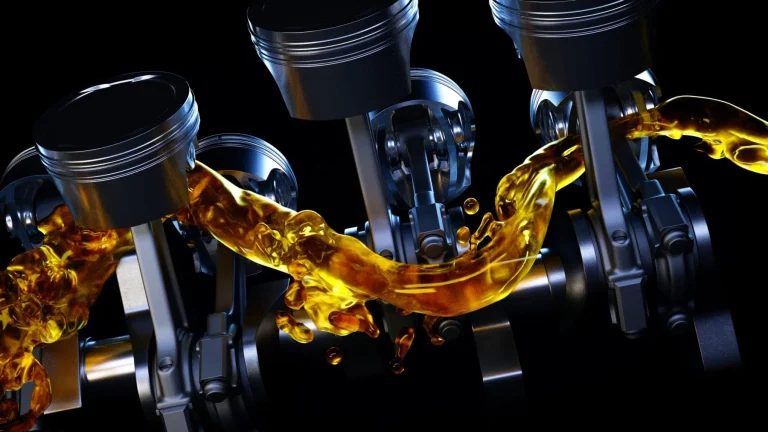

Lubricants are designed to reduce friction, control wear, dissipate heat, and protect equipment under demanding operating conditions. While base oils provide the foundation of a lubricant, additives play an essential role in improving its performance and extending the service life of both the lubricant and the equipment.
Modern lubricant formulations rely on carefully selected additive technologies to meet specific performance requirements across automotive, industrial, and specialty applications.
What Are Lubricant Additives?
Lubricant additives are chemical components added to base oils to enhance specific properties or provide performance characteristics that the base oil cannot deliver on its own.
Depending on the application, an additive package may contain several different components, each designed to perform a particular function.
Common additive types include:
- Antioxidants
- Detergents
- Dispersants
- Anti-wear additives
- Extreme-pressure additives
- Friction modifiers
- Corrosion inhibitors
- Rust inhibitors
- Pour point depressants
- Anti-foam agents
- Viscosity index improvers
The final formulation depends on the type of lubricant, operating environment, equipment requirements, and applicable performance specifications.
Antioxidants
Lubricants are continuously exposed to oxygen, heat, and mechanical stress during operation. These conditions can accelerate oxidation and cause the lubricant to deteriorate over time.
Antioxidants help slow down oxidation reactions and improve the thermal and oxidative stability of the lubricant.
Effective antioxidant technology can help reduce:
- Sludge formation
- Deposit formation
- Viscosity increase
- Acid formation
- Lubricant degradation
This makes antioxidants particularly important in applications involving high temperatures or extended drain intervals.
Detergents and Dispersants
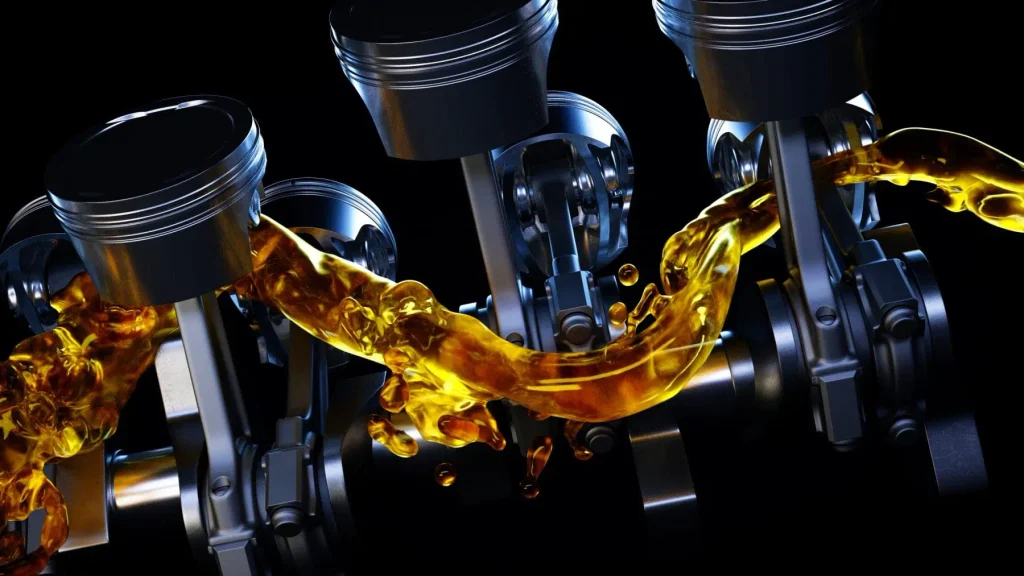
Detergents and dispersants are particularly important in engine oil formulations.
Detergents help control deposits and neutralize certain acidic products generated during lubricant operation. Dispersants, on the other hand, help keep contaminants and oxidation products suspended in the oil, reducing their tendency to form deposits.
Together, these additives contribute to cleaner engine components and improved lubricant performance.
Anti-Wear Additives
Metal-to-metal contact can occur when the lubricant film becomes insufficient, particularly under high loads or challenging operating conditions.
Anti-wear additives help protect contacting surfaces by forming a protective layer on metal components.
They are widely used in applications such as:
- Engine oils
- Hydraulic fluids
- Gear oils
- Industrial lubricants
One well-known example is zinc dialkyldithiophosphate, commonly referred to as ZDDP.
Extreme-Pressure Additives
Extreme-pressure, or EP, additives are designed for applications where components operate under very high loads and pressures.
They are particularly important in gear lubrication, where the contact pressure between gear teeth can be extremely high.
EP additives help reduce surface damage and wear under severe operating conditions and are commonly found in gear oils and other heavy-duty lubricants.
Friction Modifiers
Friction modifiers are used to control the frictional characteristics of a lubricant.
By modifying the interaction between contacting surfaces, these additives can help improve efficiency, smooth operation, and fuel economy in applications where friction control is important.
They are used in various automotive and industrial lubricant formulations, depending on the required performance characteristics.
Corrosion and Rust Inhibitors
Moisture, oxygen, acids, and contaminants can contribute to corrosion of metal components.
Corrosion and rust inhibitors provide protection by reducing the interaction between corrosive agents and metal surfaces.
These additives are particularly useful in industrial equipment, hydraulic systems, gearboxes, and other applications where protection against corrosion is essential.
Pour Point Depressants
Lubricants must maintain suitable flow characteristics at low temperatures.
Pour point depressants help improve the low-temperature behavior of certain base oils by modifying the formation and growth of wax crystals.
They can be particularly important in applications exposed to cold environments or significant temperature variations.
Anti-Foam Additives
Foam can interfere with proper lubrication and reduce the effectiveness of a lubricant film.
Anti-foam additives help control excessive foam formation during operation. This is particularly important in systems where the lubricant is continuously circulated, agitated, or exposed to high levels of mechanical movement.
Hydraulic systems, gearboxes, and other circulating lubrication systems may require effective foam control.
The Importance of Additive Compatibility
Selecting individual additives based solely on their performance is not enough. Additives must also work effectively with the selected base oil and with the other components of the formulation.
Poor compatibility can result in:
- Sedimentation
- Loss of performance
- Filter blockage
- Deposit formation
- Reduced storage stability
- Changes in viscosity
For this reason, lubricant formulation requires careful evaluation of additive interactions and overall formulation stability.
Additive Packages vs. Individual Components
Lubricant manufacturers may use individual additive components or complete additive packages depending on their formulation requirements.
A complete additive package can contain several technologies designed to work together and meet a defined performance target.
Individual components, however, may provide greater flexibility for formulators who require precise control over the final lubricant properties.
The appropriate approach depends on the formulation strategy, production requirements, technical specifications, and target application.
Additives and Modern Lubricant Technology
As equipment becomes more efficient and operating conditions become more demanding, lubricant formulations must meet increasingly complex requirements.
Modern engines, transmissions, hydraulic systems, and industrial machinery may operate at higher temperatures, higher pressures, and longer service intervals than previous generations of equipment.
These developments have increased the importance of advanced additive technologies that can provide improved protection while maintaining compatibility with modern materials and emission-control systems.
Selecting the Right Additive Technology
The selection of additives should always be based on the requirements of the final lubricant rather than on the performance of an individual component alone.
Important factors include:
- The type of base oil
- The intended lubricant application
- Operating temperature
- Load and pressure conditions
- Required viscosity characteristics
- Oxidation stability requirements
- Wear and corrosion protection
- Compatibility with other additives
- Equipment and manufacturer specifications
- Applicable industry standards
A balanced formulation is essential for achieving reliable and consistent lubricant performance.
Conclusion
Additives are a fundamental part of modern lubricant technology. While base oils provide the primary lubricating medium, additives enhance protection, stability, cleanliness, friction control, and overall performance.
From antioxidants and dispersants to anti-wear and extreme-pressure technologies, each additive serves a specific purpose within the formulation.
The most effective lubricant formulations are developed by considering the interaction between the base oil, additive system, equipment, and operating environment. Careful additive selection can ultimately contribute to improved equipment protection, longer lubricant service life, and more reliable operation.