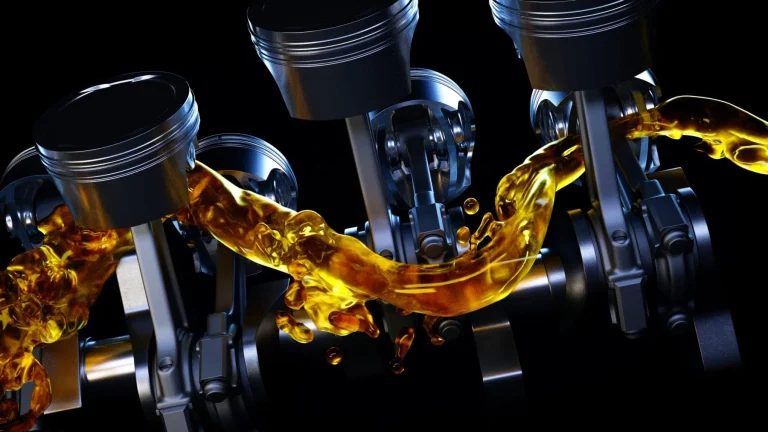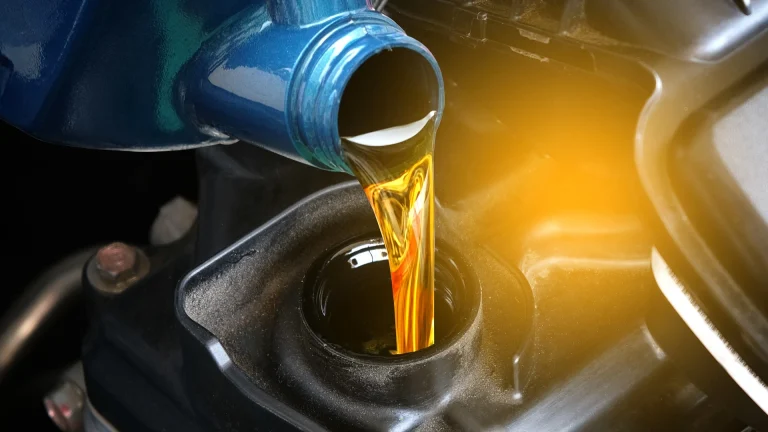

Base oils are the primary components used in the formulation of lubricants, engine oils, industrial lubricants, hydraulic fluids, gear oils, and many other specialty lubricant products. The properties of the base oil have a direct influence on the performance, stability, viscosity, and application range of the finished lubricant.
The American Petroleum Institute (API) classifies base oils into five main groups based on parameters such as sulfur content, saturates, and viscosity index. Understanding the differences between these groups is essential for selecting the right base oil for a specific lubricant formulation.
What Is Base Oil?
Base oil is the fundamental hydrocarbon component of a lubricant formulation. It provides the primary lubricating properties of the finished product and serves as the carrier for various performance-enhancing additives.
Depending on the application, a lubricant may contain a single base oil or a carefully selected blend of different base oils. Additives are then incorporated to improve specific characteristics such as oxidation resistance, detergency, dispersancy, wear protection, corrosion protection, low-temperature performance, and viscosity control.
The selection of base oil therefore plays a critical role in determining the overall performance and durability of a lubricant.

API Base Oil Classification
The API classification divides base oils into five groups:
- Group I
- Group II
- Group III
- Group IV
- Group V
Groups I, II, and III are generally categorized according to their refining characteristics and chemical properties, while Group IV primarily consists of polyalphaolefins (PAOs). Group V includes base stocks that do not fall into Groups I through IV.
Each group has different properties and is suitable for different lubricant applications.
Group I Base Oils
Group I base oils are traditionally produced through solvent refining processes. They generally have lower levels of saturates and higher sulfur content compared with more highly refined base oils.
Typical characteristics include:
- Good solvency
- Good additive compatibility
- Moderate oxidation stability
- Wide range of applications
- Competitive cost
Because of their solvency characteristics, Group I base oils remain useful in applications where additive compatibility and formulation flexibility are important.
They can be used in industrial lubricants, process oils, certain engine oil formulations, gear oils, and other lubricant applications.
Group II Base Oils
Group II base oils are highly refined and generally contain higher levels of saturates and lower sulfur content than Group I oils. They also typically provide improved oxidation stability and better performance at elevated temperatures.
Key characteristics include:
- High saturates
- Low sulfur content
- Good oxidation stability
- Improved thermal performance
- Good viscosity characteristics
Group II base oils are widely used in modern lubricant formulations, including engine oils, hydraulic fluids, transmission fluids, and industrial lubricants.
Their combination of performance and cost makes them an important choice for many mainstream lubricant applications.
Group III Base Oils
Group III base oils are highly refined mineral-derived base stocks with a high viscosity index, high saturates content, and very low sulfur levels.
Their characteristics generally include:
- High viscosity index
- Excellent oxidation stability
- Low sulfur content
- Good high-temperature performance
- Improved low-temperature characteristics
Group III base oils are commonly used in high-performance lubricant formulations and are particularly important in applications where improved fuel efficiency, thermal stability, and overall lubricant performance are required.
They are also widely used in formulations marketed as synthetic or synthetic-technology lubricants, depending on the applicable market and regulatory definitions.
Group IV Base Oils
Group IV base oils are primarily polyalphaolefins, commonly known as PAOs. Unlike Groups I, II, and III, PAOs are synthetic hydrocarbons produced through chemical synthesis.
PAOs offer several performance advantages, including:
- Excellent oxidation stability
- Very good low-temperature performance
- High viscosity index
- Low volatility
- Strong thermal stability
- Excellent performance across a wide temperature range
These properties make Group IV base oils suitable for demanding applications such as high-performance automotive lubricants, industrial lubricants, compressors, and other applications where extreme temperature performance is important.
Group V Base Oils
Group V includes base stocks that are not classified as Groups I through IV. This category covers a broad range of specialty base fluids with different chemical structures and performance characteristics.
Examples may include:
- Esters
- Polyalkylene glycols (PAGs)
- Alkylated naphthalenes
- Other specialty synthetic base stocks
Group V base oils can provide specific performance benefits such as improved polarity, additive solvency, low-temperature performance, biodegradability, or compatibility with particular lubricant formulations.
They are often used either as primary base fluids in specialized applications or as components in blended formulations.
Why Base Oil Selection Matters
Selecting the appropriate base oil is one of the most important decisions in lubricant formulation.
A base oil influences several important properties of the finished lubricant, including:
Viscosity and Viscosity Index
Viscosity determines the resistance of a lubricant to flow, while viscosity index indicates how strongly viscosity changes with temperature.
A suitable base oil helps formulators achieve the required viscosity characteristics across the operating temperature range.
Oxidation Stability
Lubricants are exposed to oxygen and elevated temperatures during operation. Poor oxidation stability can lead to sludge, deposits, viscosity increases, and degradation of lubricant performance.
Higher-quality base oils can provide improved resistance to oxidation and thermal degradation.
Low-Temperature Performance
In cold environments, lubricants must remain sufficiently fluid to circulate and provide protection.
Base oil selection can significantly influence pour point, low-temperature viscosity, and cold-start performance.
Volatility
High volatility can result in lubricant evaporation and increased oil consumption, particularly at elevated operating temperatures.
Base oils with lower volatility can be advantageous in applications where evaporation control is important.
Additive Compatibility
Base oils must work effectively with the additive package used in the formulation. Properties such as polarity and solvency can influence the ability of a base oil to dissolve or suspend additives and maintain formulation stability.
Blending Different Base Oil Groups
Lubricant formulations do not always rely on a single base oil group. In many applications, different base stocks are blended to achieve a balance between performance, cost, and formulation requirements.
For example, a formulation may combine different base oils to achieve:
- Improved viscosity performance
- Better oxidation stability
- Enhanced low-temperature behavior
- Improved additive compatibility
- Reduced volatility
- Optimized overall formulation cost
The final selection depends on the technical requirements of the lubricant and the operating conditions of the application.
Base Oils and Lubricant Additives
Base oils provide the foundation of a lubricant, but they cannot provide every required performance characteristic on their own.
Additives are therefore used to enhance specific properties. Depending on the application, lubricant formulations may contain:
- Antioxidants
- Detergents
- Dispersants
- Anti-wear additives
- Extreme-pressure additives
- Corrosion inhibitors
- Rust inhibitors
- Pour point depressants
- Viscosity index improvers
- Friction modifiers
- Anti-foam additives
The interaction between the base oil and additive system is critical. A technically suitable additive package must be compatible with the selected base oil and the intended application.
Choosing the Right Base Oil for an Application
There is no single base oil group that is suitable for every lubricant application. Selection should be based on a combination of technical and commercial factors.
Important considerations include:
- Required viscosity and viscosity index
- Operating temperature
- Oxidation and thermal stability requirements
- Low-temperature performance
- Volatility requirements
- Additive compatibility
- Lubricant performance specifications
- Application and equipment requirements
- Regulatory requirements
- Overall formulation cost
For example, a high-performance automotive lubricant may require a different base oil strategy than an industrial hydraulic fluid, gear lubricant, or grease.
Conclusion
Base oils are the foundation of modern lubricant formulations, and understanding their properties is essential for developing reliable and high-performance lubricants.
API Groups I through V cover a wide range of mineral, synthetic, and specialty base stocks. Each group offers different characteristics in terms of viscosity, oxidation stability, temperature performance, volatility, solvency, and formulation compatibility.
The right choice depends not only on the base oil group itself but also on the intended application, operating conditions, additive technology, performance requirements, and formulation objectives.
By carefully selecting and blending base oils with the appropriate additive technology, lubricant manufacturers can develop products that deliver the required balance of performance, reliability, and efficiency across a wide range of automotive and industrial applications.